

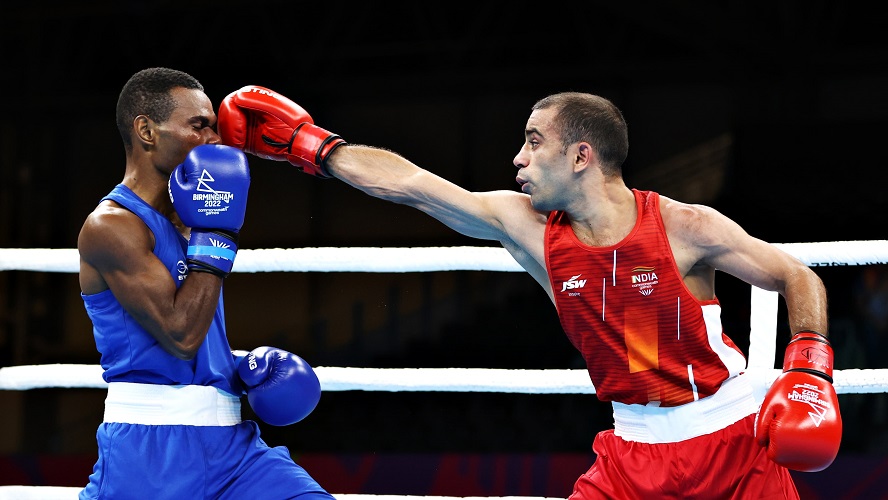
Professional boxing worldwide demands total dedication—fighters training multiple sessions daily, maintaining strict dietary regimens, and prioritizing recovery and rest. However, most Pakistani boxers cannot afford such single-minded focus, instead navigating the exhausting reality of dual lives where boxing careers coexist uncomfortably with employment necessary for economic survival. This intersection of athletic ambition and financial necessity creates compromises that fundamentally shape Pakistani boxing’s competitive landscape.
The Economic Imperative of Employment
Pakistani professional boxing purses rarely exceed amounts that could sustain fighters between competitions. Regional event purses ranging from 10,000 to 50,000 rupees represent perhaps one or two months of modest living expenses, yet fights occur irregularly—sometimes with six months or more between opportunities. This arithmetic makes full-time boxing financially impossible for most Pakistani fighters regardless of competitive success or dedication levels.
Economic necessity forces fighters into employment that provides reliable income streams boxing cannot match. Construction work, retail positions, security jobs, manual labor—Pakistani boxers accept whatever employment accommodates training schedules while providing subsistence wages. These jobs rarely consider athletic careers or offer flexibility for training needs, forcing fighters to squeeze boxing around work obligations rather than structuring lives optimally for athletic performance.
The employment imperative affects fighters at all competitive levels. Even relatively successful Pakistani boxers with winning records and regional recognition must maintain other income sources. Only the rare fighter achieving international prominence and corresponding purses can consider boxing a financially viable sole occupation, and even such success might prove temporary, requiring fallback employment options when competitive careers end.
Physical Toll of Dual Demands
The physical challenge of combining intensive boxing training with demanding employment cannot be overstated. A fighter might complete an eight-hour construction shift involving heavy lifting and constant physical exertion, then proceed directly to evening training sessions requiring explosive power, speed work, and technical precision. The body accumulates fatigue from both domains, recovering inadequately before facing similar demands the following day.
Jobs requiring sustained physical labor directly compete with boxing training for the body’s recovery resources. Muscles damaged during work shifts need repair before training sessions; energy expended on job sites leaves less available for boxing-specific work. This creates impossible physiological equations where fighters attempt drawing from finite recovery capacities for competing athletic and occupational demands.
Even physically lighter employment affects athletic performance through accumulated stress and inadequate rest. Standing for long retail shifts creates leg fatigue affecting footwork and movement quality. Mental concentration required for various jobs depletes cognitive resources needed for technical training and strategic thinking. The cumulative effects of divided physical and mental energy prevent fighters from training at intensities and volumes that full-time dedication would enable.
Scheduling Conflicts and Training Compromises
Employment schedules dictate when fighters can train, often forcing suboptimal timing that compromises training quality. Early morning roadwork before work shifts might seem romantic but leaves fighters somewhat fatigued throughout workdays, affecting job performance and recovery. Evening training after full workdays means fighters arrive at gyms already tired, limiting training intensity and technical precision.
Pakistani fighters like those competing on regional boxing cards must coordinate training around employment that may not accommodate boxing priorities. Employers generally don’t provide time off for training camps or competitive preparation, forcing fighters to train as time allows rather than when training periodization would ideally dictate.
Weekend-heavy training schedules partially address weekday employment constraints but create their own problems. Concentrating training volume into limited weekly windows increases injury risk and prevents the distributed practice that facilitates skill development. The training consistency enabled by full-time dedication—daily technical work, regular sparring, systematic conditioning—remains largely unavailable to employed fighters managing compressed training schedules.
Mental Bandwidth and Cognitive Load
Boxing demands intense mental engagement—learning complex technical movements, developing strategic thinking, maintaining competitive focus, and managing pre-fight psychological preparation. Employment consumes mental bandwidth that could otherwise support these cognitive demands, fragmenting fighters’ psychological resources between competing priorities.
Work stress affects training quality and fight preparation in ways extending beyond simple fatigue. Financial worries about making rent, workplace conflicts with supervisors, or uncertainty about employment security all create background psychological noise that interferes with the mental clarity boxing requires. Fighters arrive at training sessions mentally preoccupied with non-boxing concerns, limiting their ability to engage fully in technical learning or strategic preparation.
The psychological impossibility of complete athletic commitment while maintaining employment creates internal conflicts affecting fighter motivation and identity. Are they boxers who work, or workers who box? This ambiguity undermines the single-minded dedication that characterizes elite athletes in sports where full-time training proves economically viable. Pakistani fighters must psychologically navigate this divided identity, accepting that boxing cannot receive the total commitment they might wish to provide.
Employer Relationships and Athletic Understanding
Most Pakistani employers have minimal understanding of or interest in employees’ athletic pursuits. Boxing careers represent personal hobbies from employers’ perspectives, not serious endeavors deserving accommodation or flexibility. This lack of institutional support means fighters must choose between employment reliability and athletic optimization whenever conflicts arise.
Requesting time off for competitions or training camps risks employment security for fighters in positions where absence equals immediate replacement. Employers operating on thin margins with readily available replacement labor have little incentive to accommodate workers’ boxing schedules. Fighters must either sacrifice competitive opportunities or risk employment, neither option representing acceptable compromises for sustainable boxing careers.
Some fortunate fighters find employers who appreciate athletic dedication and provide modest flexibility. A sympathetic business owner might allow adjusted schedules around major competitions or permit occasional absences for training needs. However, such arrangements depend on individual employer goodwill rather than systematic support, making them unreliable foundations for serious athletic careers.
Income Volatility and Financial Planning
The combination of modest employment income and irregular boxing purses creates financial instability affecting fighters’ ability to plan effectively. Neither income stream alone provides security, and their combined totals often barely meet basic needs. This financial precarity generates stress that undermines both employment and athletic performance.
Fighters sometimes face impossible financial decisions when unexpected expenses arise. Medical costs from training injuries, equipment replacement needs, or family emergencies can consume savings fighters accumulated for competition entry fees or travel expenses. The absence of financial buffers means single unexpected costs can derail competition plans or force choices between financial obligations and athletic opportunities.
The inability to save meaningfully while managing dual demands of training and employment prevents fighters from building resources that might eventually enable full-time boxing dedication. The perpetual financial treadmill—earning just enough to survive week-to-week but never accumulating surplus enabling changes—traps fighters in employment-training compromises indefinitely regardless of competitive success.
Career Lifecycle and Transition Planning
Boxing careers inevitably end, creating post-athletic life transitions requiring employment skills and experience. Fighters who somehow managed full-time boxing dedication face challenges re-entering conventional employment after years outside regular workforce participation. However, Pakistani fighters maintaining employment throughout boxing careers possess continuously relevant work experience facilitating smoother transitions when competitive careers conclude.
This silver lining doesn’t negate the athletic costs of dual employment-training demands, but it does provide some security for post-boxing futures. Fighters who never achieved financial success through boxing at least maintained employment trajectories enabling continued economic survival. The employment continuity that compromised athletic performance ultimately provides stability that boxing alone would never have delivered.
Planning for boxing’s eventual conclusion proves psychologically difficult while still competing. Fighters naturally want to believe their athletic careers will eventually provide financial breakthroughs justifying current sacrifices. However, realistic appraisal of Pakistani boxing’s economic realities suggests most fighters should view employment as their long-term economic foundation, with boxing representing a parallel passion pursued despite rather than for financial returns.
Family Pressures and Social Expectations
Pakistani cultural contexts emphasize family obligation and economic contribution to household welfare. Young men pursuing boxing careers while barely supporting themselves financially face family pressure to prioritize employment over athletic dreams viewed as economically unproductive. These social expectations create guilt and conflict affecting fighters’ psychological wellbeing and commitment levels.
Married fighters with children face particularly intense pressures balancing training dedication against family responsibilities. Time spent training represents time away from family, and money spent on boxing-related expenses comes from limited household budgets. The reasonable expectation that fathers prioritize family welfare creates tensions with athletic ambitions requiring extensive time and resource investment.
Some families embrace fighters’ boxing careers, providing emotional support and accepting financial sacrifices as worthwhile pursuit of dreams. These supportive environments enable fighters to maintain training dedication despite economic challenges. However, families struggling economically may view boxing as selfish indulgence diverting resources from collective needs, creating dynamics where fighters must choose between family harmony and athletic commitment.
The Compounding Effects of Limited Recovery
Recovery represents training’s critical but often neglected component. Physiological adaptations producing athletic improvement occur during rest periods between training stimuli, not during training itself. Employment that prevents adequate recovery limits training’s developmental benefits, meaning fighters working full-time gain less from equivalent training volumes than fully rested athletes.
Sleep deprivation particularly undermines both employment and athletic performance. Fighters attempting to fit training around work schedules often sacrifice sleep to create time for both activities. Chronic inadequate sleep affects cognitive function, physical recovery, hormonal balance, and immune function—all critical for athletic performance and general health.
Nutrition represents another recovery dimension compromised by employment-training tensions. Optimal athletic nutrition requires consuming appropriate foods at strategic times throughout days. Employed fighters often lack time or resources for meal preparation, instead eating whatever proves convenient and affordable. The nutritional compromises necessitated by employment constraints affect recovery quality and long-term athletic development.
Comparative Disadvantages in Competition
When Pakistani fighters face international opponents who train full-time, they enter competitions with fundamental preparation disadvantages unrelated to talent or dedication. The full-time fighter arrives having optimized every training variable—timing, intensity, volume, recovery, nutrition—while the employed fighter arrives having compromised most variables to accommodate employment demands.
These competitive disadvantages manifest in multiple ways. Full-time fighters possess superior conditioning from higher training volumes. They demonstrate more refined technical skills from concentrated practice time. Their strategic preparation proves more sophisticated because they had mental bandwidth for deep fight analysis. The employed fighter’s natural talent and determination face structural disadvantages that no individual effort can fully overcome.
Even within Pakistani boxing, fighters who somehow manage fuller training dedication gain advantages over equally talented fighters managing employment. A fighter from a wealthy family who doesn’t need employment can dedicate themselves more completely than fighters supporting themselves financially. These class-based advantages create unequal playing fields where economic circumstances affect competitive outcomes alongside athletic merit.
Potential Solutions and Support Structures
Addressing employment-training tensions requires creative approaches acknowledging Pakistan’s economic realities. Stipend programs providing modest monthly support to nationally ranked or promising fighters could reduce employment demands, allowing more training dedication during critical development phases. Even small financial assistance—perhaps 20,000 to 30,000 rupees monthly—could enable part-time rather than full-time employment for some fighters.
Corporate partnerships creating flexible employment opportunities specifically for athletes could benefit both fighters and businesses. Companies valuing athletic discipline and dedication might hire fighters for positions accommodating training schedules, viewing athletic employees as positive corporate assets. Such arrangements would require deliberate program design but could create win-win scenarios supporting fighters while providing employers with motivated, disciplined workers.
Gym-affiliated enterprises might employ fighters in boxing-adjacent roles allowing training integration. Fighters could work at gyms teaching youth classes, maintaining equipment, or handling administrative tasks—employment directly supporting boxing while accommodating training priorities. These arrangements wouldn’t solve employment-training tensions completely but would align employment with rather than against athletic goals.
The Psychological Reality of Partial Commitment
Elite athletics traditionally demands total commitment—athletes subordinating all other life dimensions to competitive goals. Pakistani boxers cannot provide such dedication while maintaining employment, creating psychological tensions around partial commitment. Fighters wonder whether they could achieve more with complete dedication, questioning whether employment responsibilities prevent them from reaching true potential.
This psychological ambiguity affects motivation and satisfaction regardless of competitive outcomes. Victories feel somewhat hollow because fighters wonder if fuller preparation might have produced even better performances. Losses generate questions about whether employment compromises determined outcomes, creating convenient but ultimately unsatisfying explanations for defeats that might have occurred regardless of preparation quality.
Accepting divided commitment requires psychological maturity and realistic self-assessment. Fighters must acknowledge that while employment compromises athletic potential, it enables boxing participation that economic circumstances would otherwise prevent entirely. This acceptance represents growth rather than resignation—understanding that imperfect pursuit of passion beats abandoning dreams for purely practical considerations.
The intersection of boxing and employment in Pakistan creates situations rarely discussed but universally experienced by fighters throughout the country. The physical exhaustion, mental fragmentation, scheduling impossibilities, and financial precarity facing dual-pursuit fighters represent perhaps the single largest obstacle to Pakistani boxing’s development—one that affects every fighter regardless of talent or dedication. Solutions require acknowledging these realities honestly and implementing support structures that, even if not eliminating employment-training tensions, at least reduce them sufficiently that talented fighters can develop more completely. Until such interventions occur, Pakistani boxing will continue characterized by fighters giving everything they can within impossible circumstances, their actual potential remaining forever unknown behind the veil of what economic necessity prevented them from attempting.