

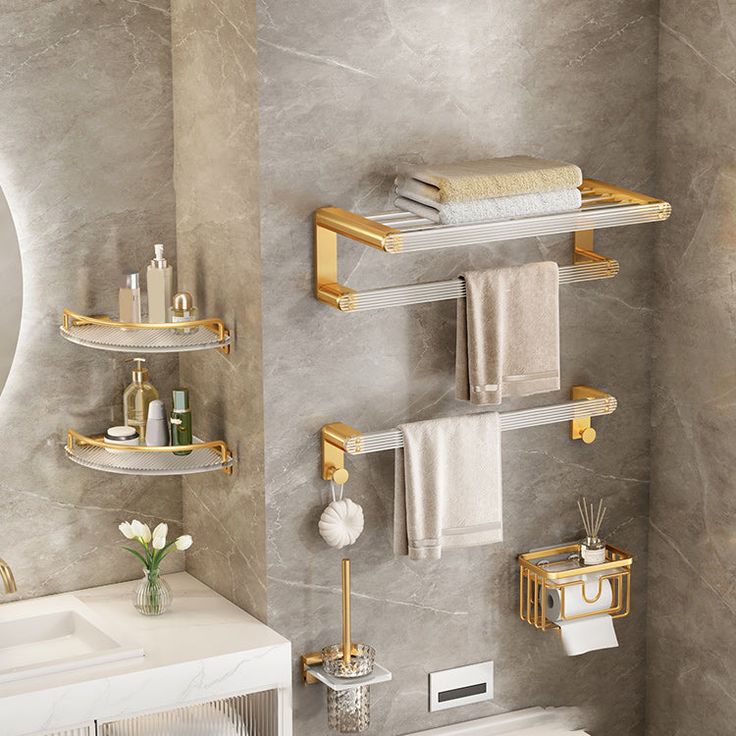
For many years, the standard advice in bathroom design was to keep everything perfectly color-matched. If your faucet was polished chrome, your towel bar, toilet paper holder, and even the cabinet pulls had to be polished chrome. While this approach is certainly safe, it often results in a space that feels flat, predictable, and occasionally institutional. The modern design movement has embraced a more sophisticated approach: the artful mixing of metal finishes. When done with intention, layering different metals adds depth, personality, and a high-end designer quality to your bathroom.
However, there is a fine line between a curated, layered look and a chaotic, mismatched mess. Mastering this skill requires a balance of logic, restraint, and an eye for how different tones interact with one another.
Establish a Dominant Anchor Finish
Before you begin selecting multiple finishes, you must choose a hero or dominant finish. This metal will serve as the anchor for your bathroom, accounting for about 60 to 75 percent of the metal elements in the space. Typically, this is applied to the most prominent fixtures, such as your primary sink faucets and the shower system.
By establishing a clear leader, you provide the eye with a sense of stability. It tells the viewer that the design is intentional rather than a collection of leftover parts. Popular choices for a dominant finish include classic polished chrome for a timeless look, brushed nickel for a soft and elegant vibe, or matte black for a bold, modern edge. Once this base is set, you can begin to introduce accent finishes with confidence.
Understand Metal Undertones and Temperatures
To mix metals effectively, you must understand the temperature of each finish. Metals generally fall into three categories: warm, cool, and neutral.
-
Warm Metals: These include brass, gold, copper, and bronze. They bring richness, luxury, and a sense of coziness to a space.
-
Cool Metals: This category covers chrome, polished nickel, and stainless steel. These finishes feel crisp, clean, and inherently modern.
-
Neutral Finishes: Matte black and oil-rubbed bronze often act as neutral anchors. Because of their depth, they can bridge the gap between warm and cool tones, acting as a grounding element.
The secret to success is creating a “visual conversation” between these temperatures. A common pro technique is to pair a warm metal with a cool one. For instance, combining a warm brushed brass faucet with cool chrome cabinet hardware creates a balanced, sophisticated contrast.
The Rule of Proximity and Repetition
One of the most common mistakes people make when mixing metals is isolating a finish. If you introduce a secondary metal—perhaps a different tone for your drawer pulls—it should not be the only element in that finish. The eye needs a reason for that metal to exist.
A reliable strategy is to repeat each finish at least twice within the room. If you decide to use matte black for your vanity hardware, echo that finish in the frame of your mirror or in the wall-mounted light fixtures. Repetition creates a sense of rhythm, pulling the eye across the space and reinforcing the idea that your choices were deliberate.
Furthermore, keep proximity in mind. While you want your finishes to interact, you should generally avoid placing two very similar finishes—like polished nickel and polished chrome—right next to each other. They are often close enough to look like a mistake but different enough to look discordant. If you want to mix them, ensure there is enough physical distance or a distinct visual barrier between the two.
Play with Textures and Sheens
Mixing metals is not just about color; it is about finish and texture. You can create an incredibly high-end look by using the same metal color but in different sheens. For example, pairing a polished chrome faucet with a brushed chrome towel rack creates subtle, sophisticated depth without feeling like a clash.
If you are feeling bolder, you can layer matte, polished, and living finishes. Living finishes, such as unlacquered brass, are particularly popular because they develop a patina over time, adding a sense of history and organic character to the bathroom. When you combine a high-shine polished metal with a textured, matte, or antique finish, you add a tactile quality to the space that makes it feel much more premium.
Limit Your Palette
While the rules of design are meant to be stretched, there is a practical limit to how many metals you should include. As a general rule, stick to a maximum of two to three finishes in any single bathroom. Once you exceed three, the room risks losing its cohesion and feeling cluttered.
If you are a beginner at mixing metals, start with two: one dominant finish and one accent finish. This keeps the design process manageable and ensures the final result remains elegant. As you grow more confident, you can experiment with a third finish in small, high-impact locations like decorative hooks or a single piece of wall art.
Summary of Pro Tips
-
Keep it Intentional: Every metal in the room should have a “buddy”—meaning it is repeated elsewhere in the space.
-
Balance the Load: Ensure your dominant finish is clearly visible on the most frequently used fixtures.
-
Check the Lighting: Finishes look different under warm vanity lights compared to natural daylight. Always test your hardware samples in the actual room before finalizing your purchase.
-
Don’t Fear Contrast: High contrast often looks better than subtle, “almost matching” differences.
-
Consider the Architecture: If your home has historic charm, opt for warmer, antique-style finishes. If your architecture is ultra-modern, lean into clean, cool, or matte finishes.
Frequently Asked Questions
Should I mix metals if my bathroom is very small?
Yes, but you should exercise extra caution. In small spaces, simplicity is key. Stick to two finishes maximum and use them sparingly to avoid making the room feel cluttered or “busy.”
Does the finish of the door handle need to match the bathroom hardware?
Not necessarily. While it is nice for the door hardware to relate to the interior of the bathroom, the door handle is often considered part of the hallway or bedroom aesthetic. You can treat it as a separate zone entirely.
What is the most forgiving combination for beginners?
Matte black paired with polished chrome is highly forgiving. Because matte black acts as a neutral “grounding” color, it looks good against almost any other finish, including gold, nickel, or brass.
Can I mix metals of the same color family?
It is generally better to avoid mixing two different shades of the same metal, such as polished brass and antique brass. They often look like you simply bought the wrong products. Instead, focus on mixing different colors (e.g., gold and black) or different sheens (e.g., brushed nickel and polished nickel).
Do my light fixtures have to match the plumbing fixtures?
No. Light fixtures are excellent “jewelry” for the room, making them the perfect place to introduce an accent metal that differs from your plumbing faucets.
How can I make my bathroom look more expensive on a budget?
Focus on high-quality hardware. Replacing standard builder-grade cabinet pulls with solid, weighted hardware in a unique finish can make an inexpensive vanity look custom-made.
Are there any metals that truly do not go together?
There are no absolute “forbidden” combinations, but prioritize contrast. If two metals look muddy or similar but not identical when placed side-by-side, they will likely clash. If you find a combination that looks “off,” try adding an object that ties the two together, such as a tray or frame that features both tones.