

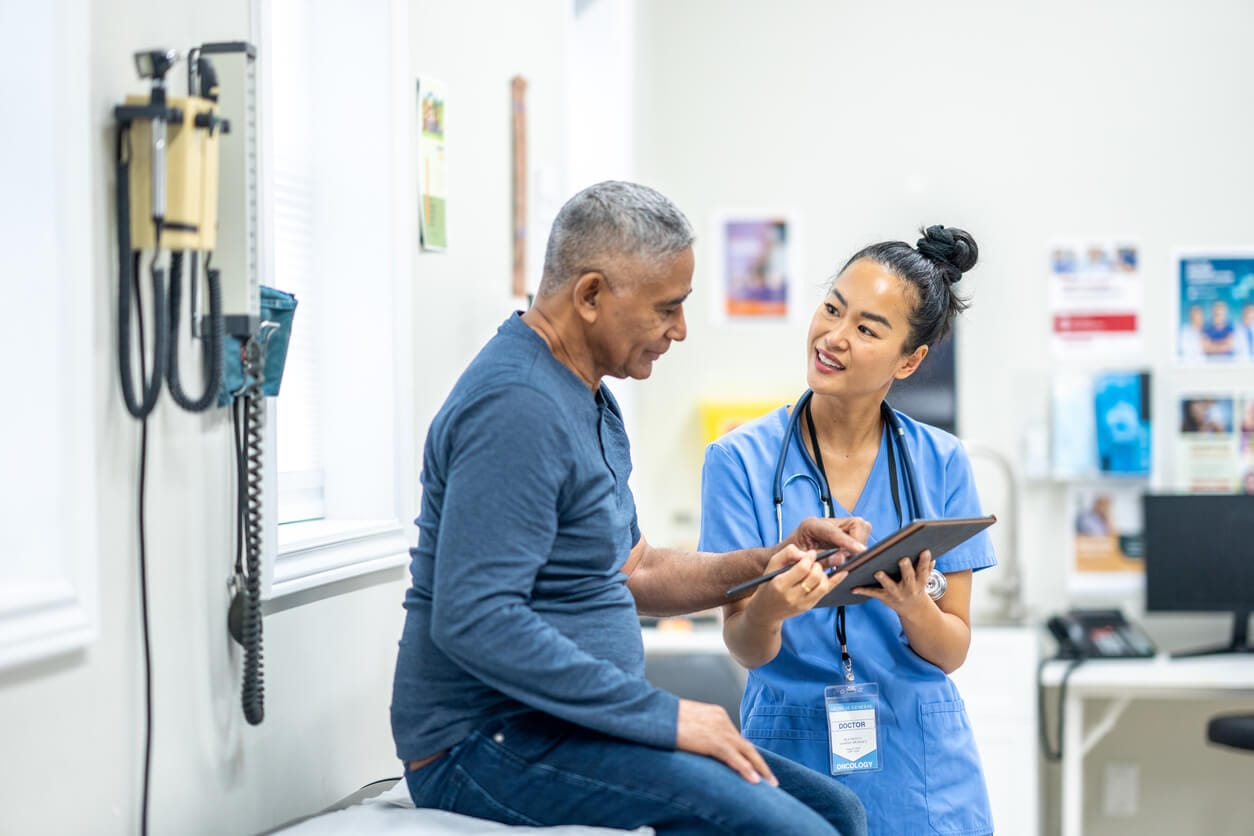
The landscape of modern healthcare is undergoing a profound transformation. Patients today prioritize speed and accessibility, leading to the rapid growth of walk-in clinics and urgent care centers. These facilities offer a streamlined alternative to the traditional primary care model, providing immediate attention for minor illnesses and injuries without the need for an appointment. However, as the medical industry pivots toward this high-velocity model, a critical debate has emerged: does the convenience of on-demand care undermine the essential continuity that defines high-quality, long-term health management?
The Rise of the Walk-In Model
The popularity of walk-in clinics is driven by the demands of a fast-paced society. Historically, obtaining medical care meant navigating a rigid system of scheduling, often resulting in weeks-long wait times for a primary care provider. For working individuals, students, and busy families, the traditional office model is frequently impractical. Walk-in clinics bridged this gap by offering extended hours, including evenings and weekends, and a no-appointment-needed policy that fits seamlessly into modern schedules.
This shift has democratized access to basic medical services. Patients who might otherwise avoid the doctor due to time constraints are now more likely to seek treatment for acute issues like strep throat, minor lacerations, or allergic reactions. The immediate availability of these services prevents minor health issues from escalating into major emergencies, potentially reducing the strain on emergency departments.
The Value of Continuity of Care
While the convenience of walk-in clinics is undeniable, the concept of continuity of care remains the gold standard in medical science. Continuity refers to the longitudinal relationship between a patient and a primary care physician who understands their full medical history, family risks, social determinants of health, and personal goals.
A primary care doctor does more than treat current symptoms; they act as the gatekeeper and architect of a patient’s long-term health journey. This relationship allows for:
-
Holistic Health Oversight: Tracking long-term trends in blood pressure, weight, and lab markers that might signify chronic conditions.
-
Preventive Focus: Managing vaccinations, cancer screenings, and lifestyle counseling tailored to an individual’s specific profile.
-
Coordinated Care: Serving as the central hub for referrals to specialists and ensuring that multiple medications do not negatively interact with one another.
-
Trust and Rapport: Providing a safe environment where patients feel comfortable discussing sensitive or underlying issues that might not be brought up in a one-time encounter.
The Risks of Fragmented Healthcare
When patients rely exclusively on walk-in clinics, the risk of fragmentation increases significantly. A patient who visits a different clinic each time they feel unwell loses the benefit of a medical home. If a clinician does not have access to a patient’s complete records, they are operating with a significant blind spot.
Fragmentation can lead to several negative outcomes:
-
Redundant Testing: If previous lab results or imaging are not shared, clinicians may order repeat tests, leading to unnecessary costs and exposure for the patient.
-
Inconsistent Treatment: Different providers may suggest conflicting approaches to the same health issue, leading to patient confusion and poor adherence to treatment plans.
-
Delayed Diagnosis: Chronic conditions that develop slowly often require multiple visits and observations over time. An urgent care provider focused on acute, short-term relief may overlook the subtle early signs of a deeper pathology.
Integrating Technology for a Hybrid Future
The future of healthcare is likely not a choice between convenience and continuity, but rather a hybrid model that incorporates the best of both. Digital health advancements are already beginning to bridge the gap between walk-in clinics and primary care offices.
Centralized Electronic Health Records are the most vital tool in this integration. As interoperability between systems improves, a physician at a walk-in clinic will be able to instantly view a patient’s full history from their primary care office. This ensures that even if a patient sees a new provider, the care remains informed by their longitudinal history.
Furthermore, many primary care practices are adopting their own version of “walk-in” culture. By offering same-day appointments, telehealth options, and extended office hours, traditional practices are successfully competing with retail clinics while maintaining the benefits of a long-term provider relationship.
Redefining the Role of Retail Medicine
Retail clinics are also evolving. Many are transitioning from purely transactional venues into integrated components of larger healthcare networks. By aligning with hospital systems or accountable care organizations, these clinics can act as front-line access points that direct patients toward their primary care homes for ongoing management. This collaborative model ensures that the patient receives immediate help when they need it, while still being funneled back into a system that values long-term health outcomes.
The challenge moving forward will be ensuring that patient data flows freely and that administrative hurdles do not prevent this integration. Policymakers and health systems must incentivize models that prioritize the patient’s long-term health over short-term transactional metrics.
Conclusion
The evolution of walk-in clinics reflects a necessary adjustment to a changing world, but this convenience should not come at the expense of comprehensive, continuous care. The goal for the future must be to maintain the accessibility of walk-in services while ensuring that they function as part of a cohesive medical team rather than as isolated islands of treatment. By leveraging technology and fostering better communication between different care settings, the medical industry can offer a future where patients enjoy both the ease of on-demand care and the security of a long-term, trusted medical relationship.
Frequently Asked Questions
Can walk-in clinics effectively manage chronic conditions like diabetes or hypertension?
While walk-in clinics can provide emergency adjustments or refills in specific situations, they are generally not equipped to manage chronic conditions. Chronic disease management requires ongoing monitoring, regular lab analysis, and consistent follow-up that is best provided by a primary care physician who knows your full history.
How can I ensure my primary care doctor knows about a visit to a walk-in clinic?
Most modern electronic health systems have portals where you can request that visit summaries be sent to your primary physician. Always ask the walk-in clinic staff for a copy of your records or an after-visit summary, and ensure you forward this documentation to your primary care office.
Are walk-in clinics more expensive than traditional primary care?
The cost depends heavily on your insurance plan and the clinic billing structure. Some clinics bill as standard office visits, while others may be categorized as urgent care, which can sometimes come with higher co-pays. It is always wise to check your insurance coverage before seeking care at a facility you have not visited previously.
Is there a difference between an urgent care center and a retail clinic?
Yes. Retail clinics, often found in pharmacies or grocery stores, typically treat minor issues like colds, rashes, or minor infections. Urgent care centers are generally more robustly equipped, often having X-ray capabilities and the ability to perform minor surgical procedures like stitches for deeper cuts.
What should I do if a walk-in clinic provides a diagnosis that contradicts my regular doctor?
If you receive a conflicting diagnosis or treatment plan, prioritize safety. Contact your primary care physician to discuss the new findings. They can help you reconcile the information, determine the accuracy of the new diagnosis, and decide on the best path forward for your specific health situation.
Will the growth of these clinics eventually make primary care offices obsolete?
It is highly unlikely that primary care offices will become obsolete. As populations age and the complexity of health management increases, the need for a physician who can synthesize information across various systems becomes more important, not less. The future is more likely to be a blend where primary care adopts the accessibility features of walk-in models.