

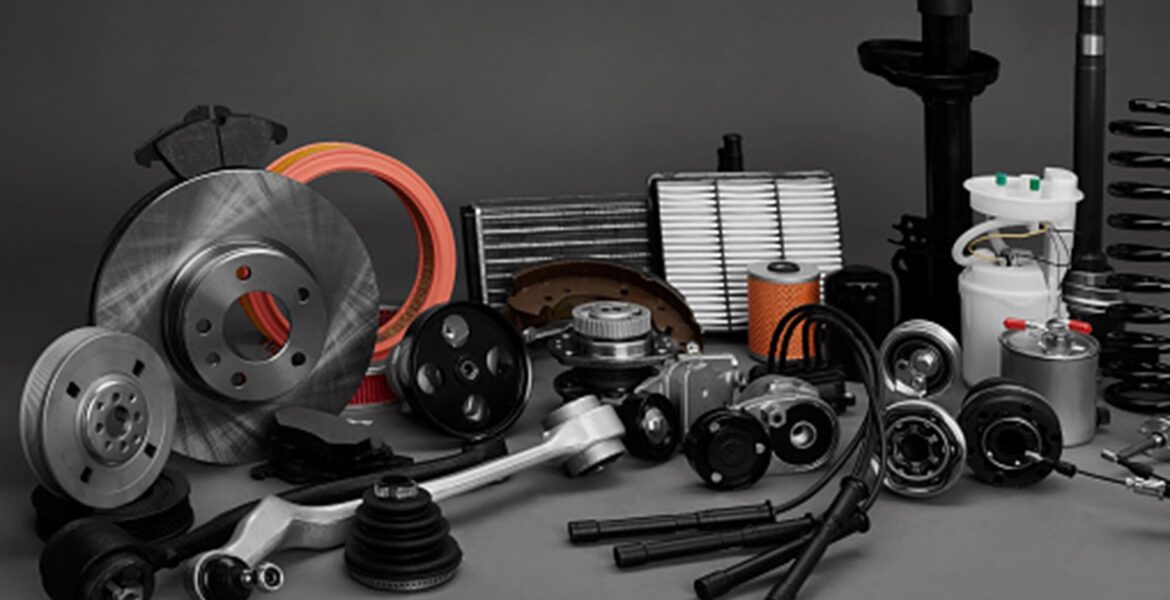
When the time comes to repair or upgrade your vehicle, you are almost immediately presented with a pivotal choice: should you purchase Original Equipment Manufacturer (OEM) parts or opt for aftermarket components? This decision is one of the most common dilemmas faced by car owners, and it carries significant weight regarding the performance, longevity, and safety of the automobile. Understanding the fundamental differences between these two categories is essential for making an informed decision that aligns with both your budget and your expectations for vehicle reliability.
An OEM part is essentially a replica of the original component that was installed in your vehicle when it rolled off the factory assembly line. Produced by the vehicle manufacturer or a contract manufacturer authorized by them, these parts are engineered specifically for your exact make and model. In contrast, aftermarket parts are produced by third-party companies. These manufacturers focus on creating parts that fit a wide range of vehicles, often aiming to provide a functional alternative at a more accessible price point or, in some cases, an upgrade over the original design.
The Case for Original Equipment Manufacturer (OEM) Parts
The primary argument for choosing OEM parts is the promise of exact fitment and guaranteed compatibility. Because these components are designed by the same engineers who built the vehicle, you can be certain that every bolt hole, electrical connection, and material specification will match the original design perfectly. This eliminates the guesswork often associated with vehicle repairs.
Benefits of Choosing OEM
-
Quality Assurance: OEM parts come with a brand guarantee. You know exactly what you are getting, as the parts adhere to the strict quality control standards established by the automaker.
-
Ease of Selection: You do not need to compare dozens of brands or read countless reviews to ensure a part will function correctly. Simply providing your Vehicle Identification Number (VIN) ensures you receive the correct component.
-
Warranty Protection: Using OEM parts is often a requirement for maintaining the factory warranty of a new vehicle. In many cases, these parts come with their own manufacturer warranties that are honored at authorized dealerships nationwide.
-
Resale Value: For collectors or those looking to maintain the integrity of a high-end vehicle, using OEM parts helps preserve the factory-original status of the car, which can be an asset when it comes time to sell or trade in the vehicle.
However, the convenience and assurance of OEM parts come at a premium. They are generally the most expensive option on the market. Furthermore, because you are often restricted to buying them through authorized dealerships, you may have less flexibility regarding where you can source the parts and how quickly you can have them installed.
The Versatility of Aftermarket Parts
Aftermarket parts have evolved significantly over the last two decades. While they once had a reputation for being inferior in quality, many modern aftermarket companies are now leaders in automotive engineering. These manufacturers often identify weaknesses in original parts and design their own versions to address these shortcomings.
The Advantages of Aftermarket Components
-
Cost Effectiveness: Because there is significant competition among aftermarket manufacturers, you will often find these parts available at a fraction of the price of their OEM counterparts.
-
Wider Availability: Aftermarket parts are stocked at almost every independent auto parts store and are readily available through online retailers. This means you can often get your car back on the road much faster without waiting for a shipment from a central warehouse.
-
Improved Performance: Many aftermarket brands specialize in performance parts. If you are looking to enhance your vehicle’s handling, power, or aesthetic, aftermarket options often provide features that OEM parts simply do not offer.
-
Diverse Options: You are not limited to a single choice. If a specific component is prone to premature failure in the original design, there is a good chance an aftermarket company has produced a “heavy-duty” or “improved” version to solve that specific problem.
The downside to the aftermarket landscape is the variability in quality. Because the market is flooded with manufacturers ranging from budget-focused shops to high-end engineering firms, the quality of parts can be inconsistent. A bargain-bin replacement might look identical to the original but could be made from cheaper materials that wear out significantly faster.
Evaluating When to Choose Which
Deciding between OEM and aftermarket is rarely a one-size-fits-all scenario. It is often best to evaluate the specific repair being performed. For mission-critical components—such as engine sensors, transmission parts, or complex electronic modules—many mechanics recommend sticking with OEM. The risk of an incompatible part causing a cascade of electrical or mechanical failures is simply not worth the potential savings.
For wear-and-tear items that do not require complex calibration, aftermarket parts are often an excellent choice. Items like brake pads, air filters, suspension components, and body panels are frequently manufactured to standards that meet or exceed OEM specifications. In these instances, the aftermarket option offers a clear financial advantage without sacrificing safety or performance.
When purchasing aftermarket, it is vital to research the brand. Look for manufacturers that have established a reputation in the industry. Many high-quality aftermarket companies are the very same manufacturers that supply parts to the automakers, meaning you are essentially getting an OEM-grade part without the branding mark-up.
The Role of the Installer
Your choice of repair shop plays a major role in your parts selection. Dealership service centers will almost exclusively use OEM parts to ensure they can stand behind their repairs with a standardized warranty. Independent shops, on the other hand, usually offer a choice. They can often provide a better value by sourcing high-quality aftermarket parts that they have tested over time. If you trust your mechanic, ask them for their professional opinion regarding the specific part. They have likely installed both OEM and various aftermarket brands and will have the best insight into which ones hold up over the long term.
Ultimately, the goal is to balance the need for reliability with the practical realities of your budget. Your vehicle is a machine that relies on the harmony of thousands of moving parts, and respecting the design integrity of that machine is the best way to ensure it remains a reliable mode of transportation for years to come. Whether you choose the factory-certified safety of an OEM component or the performance-driven innovation of an aftermarket upgrade, the most important factor is making an educated decision rather than simply choosing the cheapest item on the shelf.
Frequently Asked Questions
1. Can using aftermarket parts void my vehicle warranty?
In the United States, the Magnuson-Moss Warranty Act generally prevents manufacturers from voiding a warranty simply because you used an aftermarket part. However, if the aftermarket part is found to be the direct cause of a mechanical failure, that specific repair may not be covered under the factory warranty.
2. Are there specific brands that are known for high-quality aftermarket parts?
Yes, several brands are recognized for manufacturing parts that meet or exceed OEM specifications, such as Bosch, Denso, and Akebono. These companies often produce parts for the vehicle manufacturers, so their aftermarket offerings are typically very reliable.
3. Is it ever better to use “remanufactured” parts?
Remanufactured parts are original components that have been disassembled, cleaned, and rebuilt with new parts. They are a solid middle ground between new OEM and aftermarket, offering OEM fitment at a price closer to the aftermarket range. They are common for starters, alternators, and steering racks.
4. How can I tell if an aftermarket part is actually high quality?
Look for certifications such as the Certified Automotive Parts Association (CAPA) seal, which indicates that the part has been tested for fit, finish, and material quality. Additionally, check if the manufacturer offers a strong warranty on their products, as this shows confidence in their manufacturing process.
5. Why do some aftermarket parts look different from the ones I am replacing?
Sometimes, aftermarket manufacturers update a design to improve it or to make the part easier to install. However, if the part is missing mounting points or has a different shape that interferes with other components, it may be an indicator of poor design.
6. Are performance-oriented aftermarket parts safe for daily driving?
Most performance parts are safe, but they may change the “feel” of your vehicle. For example, high-performance brake pads might provide better stopping power but may be noisier or generate more dust than standard OEM pads. Always research the intended use of a performance part before installation.
7. Should I choose OEM or aftermarket for body panels like bumpers or fenders?
This is often a matter of preference. OEM panels offer the best fit and alignment, which is critical for the aesthetic of your car. High-quality aftermarket panels can be good, but they may require more labor for the body shop to get the gaps and alignment exactly right.