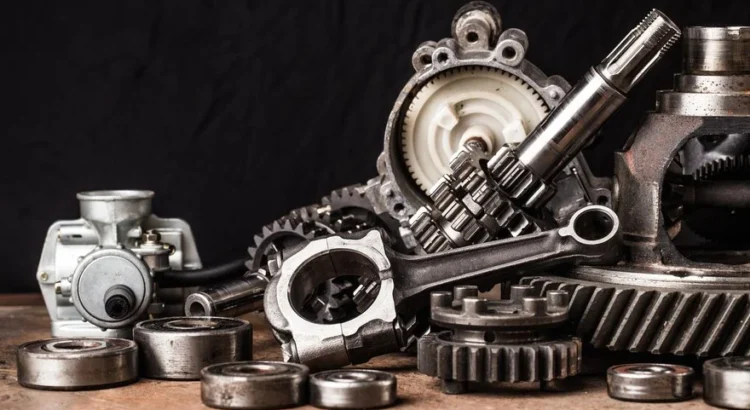
When we think about cars, our minds often wander to the sleek exteriors, advanced technology, and the thrill of driving. However, behind every car’s smooth performance and reliability lies a world of meticulously engineered auto parts. These parts are the building blocks of every vehicle, ensuring safety, functionality, and performance. Understanding the importance of auto parts, their role in maintenance, and how they contribute to a car’s overall health can elevate the way we approach automotive care.
The Importance of Auto Parts
An automobile is a complex machine with thousands of components, all working in harmony to ensure a smooth and safe driving experience. From the engine to the exhaust system, and from the tires to the braking mechanism, each part plays a critical role. The quality and condition of these parts can determine not only the vehicle’s performance but also the safety and comfort of the driver and passengers.
At the heart of every car lies the engine, a marvel of modern engineering. The engine is a collection of intricate components working together to convert fuel into motion. Parts like the crankshaft, pistons, camshaft, and timing belt all work together in a delicate dance. If any of these parts fail, the engine can misfire or stop working entirely, resulting in costly repairs and potential safety hazards.
While the engine is the powerhouse, it is the suspension system that keeps a car’s ride smooth and controlled. This system, comprising parts like shock absorbers, struts, and springs, absorbs the impact of road irregularities. A well-maintained suspension system ensures better handling, comfort, and tire longevity, while a failing one can lead to a bumpy and unsafe ride.
The braking system is another crucial set of auto parts that demand attention. Comprising brake pads, rotors, calipers, and hydraulic systems, the braking system ensures that a vehicle can stop safely and efficiently. Worn-out brake pads or damaged rotors can severely compromise braking performance, increasing the risk of accidents. Regular maintenance of these parts can make a significant difference in the car’s safety.
The Role of Auto Parts in Vehicle Maintenance
Proper maintenance of auto parts is essential for prolonging a vehicle’s lifespan and ensuring optimal performance. One of the first areas where owners often see wear is in the engine components. Regular oil changes, air filter replacements, and spark plug inspections can keep the engine running efficiently. Oil acts as a lubricant for engine parts, reducing friction and preventing overheating. Over time, the oil degrades, and when not replaced, it can cause parts to wear prematurely, leading to costly engine repairs.
The battery is another part that requires regular attention. A battery’s primary function is to store electrical energy, powering everything from the starter motor to the vehicle’s lights and entertainment systems. As batteries age, their capacity diminishes, which can lead to a failure when starting the engine. Regular battery checks, including cleaning terminals and ensuring the charge is at an optimal level, can help prevent inconvenient breakdowns.
Equally important is the cooling system, which includes the radiator, water pump, thermostat, and hoses. The cooling system prevents the engine from overheating by circulating coolant throughout the engine and dissipating heat. A failure in any part of this system—such as a cracked radiator or a clogged hose—can lead to overheating, potentially causing severe engine damage. Flushing the coolant regularly and checking for leaks can ensure this system functions properly.
The tires, often overlooked, are among the most critical components of any car. Tires connect the vehicle to the road, providing traction and ensuring that the car handles safely. Underinflated or worn-out tires can cause a loss of traction, reduced fuel efficiency, and in extreme cases, a blowout. Proper tire maintenance, including checking tire pressure, rotation, and alignment, can extend tire life and improve overall driving safety.
Aftermarket Auto Parts: A Growing Trend
In recent years, the demand for aftermarket auto parts has surged. Aftermarket parts are components produced by third-party manufacturers rather than the car’s original equipment manufacturer (OEM). These parts often provide a more affordable alternative to OEM parts, and in some cases, they may offer improved performance or aesthetics.
For example, aftermarket exhaust systems or cold air intakes can boost engine efficiency and power. Suspension upgrades or custom wheels allow drivers to personalize their vehicles, enhancing both performance and appearance. However, while aftermarket parts can offer advantages, it’s crucial to choose high-quality parts from reputable brands. Inferior aftermarket parts can negatively affect the car’s performance and potentially cause damage to the vehicle.
The Evolution of Auto Parts: Innovations in the Industry
As automotive technology advances, so too does the evolution of auto parts. Innovations in materials, design, and manufacturing have led to more efficient, durable, and eco-friendly components. One such example is the use of lightweight materials in car manufacturing. Many modern vehicles now utilize aluminum and carbon fiber in place of steel to reduce weight, enhance fuel efficiency, and improve overall performance.
Additionally, advancements in electric vehicles (EVs) are reshaping the auto parts landscape. With the rise of EVs, traditional internal combustion engine components are being replaced with electric drivetrains, battery management systems, and charging interfaces. The reduction in moving parts in electric vehicles is a significant shift, and the need for traditional auto parts like the fuel system or exhaust system is eliminated. However, EVs still rely heavily on components like electric motors, batteries, and power electronics, all of which must be carefully maintained to ensure optimal performance.
In the realm of smart technology, car manufacturers are incorporating advanced sensors, cameras, and software into their vehicles. These parts enable features like adaptive cruise control, lane-keeping assistance, and automatic emergency braking. While these innovations improve driving safety, they also introduce a new layer of complexity when it comes to parts and maintenance. For example, the sensors used for autonomous driving features must be regularly calibrated to ensure accuracy.
Conclusion
Auto parts are far more than mere mechanical components; they are the lifeblood of a vehicle, responsible for its performance, safety, and longevity. Regular maintenance, timely replacement, and a deep understanding of these parts can save vehicle owners both time and money while ensuring a smoother driving experience. Whether it’s ensuring the engine is in optimal condition, keeping the braking system functioning properly, or choosing the right aftermarket upgrades, a vehicle’s health depends on the careful attention given to its individual parts.
As the automotive industry continues to innovate and evolve, so too will the parts that drive it. Embracing these advancements and understanding their significance will help drivers make more informed decisions and maintain their vehicles in peak condition. Ultimately, auto parts may be unsung heroes, but their contributions to the car’s overall performance and safety are undeniable, and they remain essential to the art of motoring.